
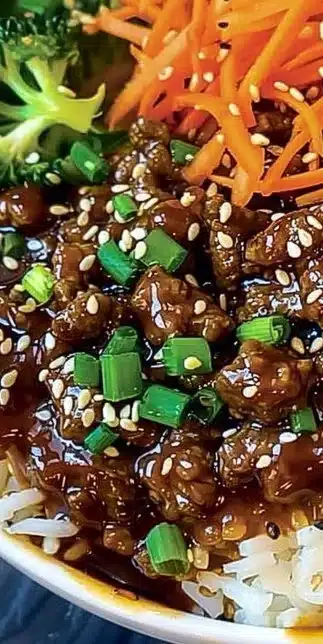
Korean Beef Bowls: 25-Minute Flavor Explosion Delight
Korean Beef Bowls 25-Minute Flavor Explosion Delight
There is something instantly comforting about a bowl that balances savory beef, sweet soy glaze, crunchy vegetables, and steaming rice all in one bite. This Korean beef bowl delivers that and more while coming together in under half an hour, making it ideal for busy weeknights or a relaxed weekend lunch. Expect bright garlic notes, toasty sesame aroma, and a sauce that clings to every morsel of ground beef for pure, addictive flavor.
Why Make This Recipe
If you are tired of long recipes that require dozens of ingredients and too many steps, this dish is a refreshing rescue because it gives big flavor with minimal effort. It transforms pantry-friendly staples into something special and satisfying in 25 minutes. The bowl format also makes it endlessly adaptable so everyone at the table can customize their toppings.
Simple Way to Prepare Korean Beef Bowls
This recipe is built for simplicity and speed while still aiming for layered flavor. Start by heating a skillet until it is pleasantly hot but not smoking. Add the ground beef and let it sear without constant stirring for the first minute or two so it develops a little caramelization. Break the meat up and continue to cook until it is evenly browned. Drain off excess fat to keep the sauce from becoming greasy. Add soy sauce, brown sugar, minced garlic, and sesame oil and stir to coat the beef. Let that mixture bubble for a minute or two so the brown sugar dissolves and the sauce slightly thickens. While the beef simmers, fluff the cooked rice and chop the green onions. Arrange rice in bowls and spoon the savory-sweet beef on top. Finish each bowl with shredded carrots, blanched or steamed broccoli florets, and the chopped green onions for a pop of freshness and color. If you like heat, add a drizzle of chili oil or sprinkle some red pepper flakes at the end.
How to approach timing and multitasking so everything comes together hot and fresh
- Get your rice cooked first or use leftover rice warmed gently in the microwave with a damp paper towel over the bowl so it steams and loosens up.
- While the beef browns, prep your vegetables. Shred carrots, chop green onions, and either steam or blanch the broccoli for 1 to 2 minutes so it stays bright and crisp.
- The sauce comes together in less than 5 minutes so once the beef is browned, the final assembly is quick.
Ingredients
- 1 lb ground beef, 1/4 cup soy sauce, 2 tablespoons brown sugar, 2 cloves garlic, minced, 1 tablespoon sesame oil, 2 green onions, chopped, 1 cup cooked rice, 1/2 cup shredded carrots, 1/2 cup broccoli florets
Directions
- In a skillet, brown the ground beef over medium heat.
- Drain excess fat.
- Add soy sauce, brown sugar, garlic, and sesame oil to the beef.
- Stir well and cook for 2-3 minutes.
- Serve over cooked rice.
- Top with carrots, broccoli, and green onions.

Storage Tips for Korean Beef Bowls
- Refrigerate leftover beef and vegetables in an airtight container within two hours of cooking. Keep at 40°F or lower and use within 3 to 4 days for best quality.
- If you plan to freeze dinner bowls, separate rice and beef into airtight, freezer-safe containers or heavy duty freezer bags. Freeze up to 2 months. Label with the date so you can track freshness.
- To reheat from the refrigerator, microwave on medium power until warmed through, stirring every 30 to 45 seconds to ensure even heating. If reheating from frozen, thaw overnight in the refrigerator then reheat, or reheat straight from frozen on low power and cover the container so steam helps thaw and warm the food.
- For best texture, reheat rice with a sprinkle of water and cover so steam restores moisture. Avoid prolonged high heat which can dry out the beef.
- If you packed raw broccoli or carrots for a meal prep bowl, keep them chilled separately and add fresh before serving to retain crunch.
Serving Ideas for Korean Beef Bowls
There are many ways to present this bowl depending on mood and occasion. For a simple family meal, serve the beef over a bed of steamed white or brown rice and offer small bowls of kimchi and pickled cucumbers to the side. For a more colorful spread, place several bowls on the table with toppings arrayed in little dishes so diners can add sesame seeds, sliced jalape o, or a spoonful of gochujang. If you want to lighten things up, swap the rice for cauliflower rice and keep the rest of the bowl identical for a lower carb option. Serve alongside a crisp green salad dressed with rice wine vinegar and a splash of sesame oil to echo the Korean flavors in a fresh way. For a party or potluck, turn this into a Korean style bowl bar with tofu, fried egg, sautéed mushrooms, or steamed spinach as topping options. If you enjoy exploring complementary recipes, try a simple crunchy side like the Chinese zucchini pancakes found here and serve them as an unexpected but tasty companion to your bowls Chinese zucchini pancakes recipe
Tips to Make Korean Beef Bowls
Q How can I keep the beef moist when reheating
A Reheat slowly with a splash of water or broth and cover the container so steam helps maintain moisture. Do not overcook during reheating.
Q What if I want more depth of flavor
A Toast the sesame oil briefly in the skillet before adding the garlic then add the beef to brown. This will bring out a nuttier aroma.
Q How do I make it spicy without gochujang
A Add sliced fresh chili or a pinch of red pepper flakes when you add the sauce. A drizzle of chili oil at the end also works nicely.
Variations and Substitutions
- Swap the ground beef for ground turkey or ground pork for a different flavor profile and slightly different fat content. Ground pork will add richness while turkey keeps it lighter.
- For an umami boost try mixing in a tablespoon of hoisin sauce or a teaspoon of fish sauce when you add the soy and brown sugar. If you prefer to keep things simple and pantry-oriented, use low sodium soy sauce and a touch more brown sugar to balance salt and sweetness.
Nutritional Notes and Customization Ideas
At its core this bowl is balanced protein and carbs with vegetables included for color and nutrition. If you are watching sodium, use a low sodium soy sauce and omit any extra salt. Adding extra vegetables like shredded cabbage, steamed snow peas, or sautéed shiitake mushrooms will increase fiber and micronutrients without detracting from the flavor. Adding a fried egg on top provides extra richness and is a beloved finish in many Korean inspired bowls. For a vegan spin, swap ground beef for crumbled tempeh or well seasoned crumbled tofu cooked until golden and follow the same sauce steps.
A deeper look at the flavor components and why they work
The backbone of this bowl is the interplay between soy sauce and brown sugar. Soy sauce contributes saltiness and umami while brown sugar softens that salt with caramel notes that cling to the ground meat. Sesame oil is used sparingly but it is critical because its toasted and aromatic nature lifts the dish and gives it a faintly nutty finish that reads as authentically Asian in a simple weeknight recipe. Garlic provides aromatic bite and freshness from the green onions and shredded carrots gives textural contrast. Finally the broccoli adds a vegetal pop and verdant color that balances the bowl visually and nutritionally.
How to stretch this recipe for feeding a crowd
If you are cooking for more people, this recipe scales up easily. Double or triple the ground beef and increase the sauce components proportionally. A tip when scaling meat based bowls is to use a large skillet or two pans simultaneously to maintain high heat and encourage browning rather than steaming. Browning creates complex meaty flavors that make the dish sing. Keep cooked rice warm in an oven set to low heat covered with foil or in a warming tray so assembly is smooth.
Common mistakes to avoid and how to fix them
-
Mistake
Cooking the beef over low heat which produces pale, soft meat without caramelization.
Fix
Use medium to medium high heat and let the meat sit briefly before breaking it up so it can sear and brown. -
Mistake
Adding too much liquid at once which results in soggy meat and diluted flavors.
Fix
Measure the soy sauce and brown sugar as directed and add them after draining excess fat. Let the mixture reduce briefly if necessary. -
Mistake
Overcooking the broccoli until it is mushy and dull green.
Fix
Blanch or steam the broccoli for only 1 to 2 minutes and plunge into cold water if you want to stop cooking and preserve crispness and color.
Pairings and beverage suggestions
This bowl pairs well with light, bright beverages that cut through the sweet savory glaze. Try a chilled barley tea, a sparkling water with lemon, or a crisp lager. For a wine pairing reach for an off dry Riesling which complements the brown sugar sweetness and handles the soy saltiness gracefully. For a non alcoholic and slightly fermented pairing, kombucha with ginger notes can be fun and refreshing.
Meal prep ideas and time saving hacks
- Cook a large batch of rice early in the week and refrigerate in portioned containers. Reheat with a sprinkle of water to revive texture.
- Brown the ground beef and store the cooked meat with sauce in a sealed container for up to four days. When ready to eat, reheat and assemble over freshly heated rice and crisp toppings.
- Prep vegetables like shredded carrots and chopped green onions ahead of time and store them in small airtight containers. Blanch broccoli only when needed for maximum freshness.
A cultural note about inspiration
This type of bowl is inspired by Korean flavors without aiming to be an exact match for any single traditional dish. It borrows key components popular in Korean cooking such as soy, sesame, garlic and the idea of serving protein over rice with crunchy vegetables. The approach is intentionally simple and approachable for home cooks who want those flavors quickly.
FAQs
Q Can I make this ahead for lunches during the week
A Yes you can prepare the beef and store it in the refrigerator for up to 3 to 4 days and reheat when ready. Keep rice and vegetables stored separately for best texture.
Q Can I use leaner ground beef or is fat necessary
A Leaner ground beef works fine. If the beef has very little fat, you may want to add a teaspoon of neutral oil when browning to prevent sticking and to ensure a bit of flavor development.
Q How do I make the bowl spicier for those who like heat
A Add sliced chilies, a teaspoon of gochujang if available, or a pinch of red pepper flakes when you add the sauce. Drizzle some chili oil on top at the end for an aromatic finish.
Q What is a good substitute for sesame oil if I have a allergy
A Use a neutral oil like canola and add a small handful of toasted sesame seeds for a hint of the nutty flavor. Toasted sunflower seeds might also provide a toasty note if sesame is not an option.
Common mistakes people ask about and quick fixes
- If the sauce tastes overly salty try adding a touch more brown sugar or a squeeze of fresh lime or lemon to balance the savory edge.
- If the meat seems dry when reheated add 1 to 2 tablespoons of low sodium broth or water while warming to restore some moisture.
Creative finishing touches and garnishes
- Sesame seeds add visual contrast and crunch when sprinkled on top.
- A soft fried or poached egg placed nest style in the center of the bowl creates a luxurious, runny yolk that melds with the beef and rice.
- Quick pickled red onions or cucumbers bring a bright, acidic contrast that cuts the richness and makes each bite pop.
What to serve with leftover bowls to reinvent them
Transform leftover bowls into lettuce wraps for lunch the next day by spooning warmed beef and veggies into butter lettuce leaves and topping with extra green onion and a squeeze of lime. Or turn the leftovers into a noodle bowl by heating the mixture and tossing with cooked udon or rice noodles and a handful of fresh cilantro.
Pro tip about equipment and technique
Using a heavy skillet such as cast iron or stainless steel helps to achieve even browning on the ground beef. Do not overcrowd the pan; if doubling the recipe use two pans or work in batches so the meat browns instead of steams.
A step by step checklist to keep on the fridge while cooking
- Cook rice or warm leftover rice
- Chop green onions and shred carrots
- Blanch broccoli briefly
- Brown ground beef and drain
- Add sauce and simmer 2 to 3 minutes
- Assemble bowls and top with vegetables and green onions
- Garnish with sesame seeds or fried egg if desired
Leftover transformation ideas
- Mix the leftover beef with some tomato sauce and use it as a topping for baked sweet potatoes for a fusion style weeknight meal.
- Reheat with a splash of broth and toss into a stir fry with bell peppers and snap peas served over noodles.
- Freeze some portioned beef so you can quickly reheat and make a fresh bowl anytime.
Final thoughts on why this works for almost any home cook
This Korean beef bowl is both forgiving and satisfying. It does not demand precise technique yet rewards simple attention to timing and quality of ingredients. The flavors are familiar enough to appeal broadly while having distinct notes that set it apart from a standard beef and rice dish. Whether you are cooking for one or feeding a family, the recipe scales, stores well, and can be adapted to dietary preferences with minimal fuss.
Conclusion
If you would like to explore a spicier variation inspired by similar flavors, check out this Gochujang Beef Bowls Recipe | Little Spice Jar for additional ideas and inspiration Gochujang Beef Bowls Recipe | Little Spice Jar
Print
Korean Beef Bowls 25-Minute Flavor Explosion Delight
- Total Time: 25 minutes
- Yield: 4 servings
- Diet: Beef
Description
A comforting bowl that balances savory beef, sweet soy glaze, crunchy vegetables, and steaming rice all in one bite, ready in under half an hour.
Ingredients
- 1 lb ground beef
- 1/4 cup soy sauce
- 2 tablespoons brown sugar
- 2 cloves garlic, minced
- 1 tablespoon sesame oil
- 2 green onions, chopped
- 1 cup cooked rice
- 1/2 cup shredded carrots
- 1/2 cup broccoli florets
Instructions
- In a skillet, brown the ground beef over medium heat.
- Drain excess fat.
- Add soy sauce, brown sugar, garlic, and sesame oil to the beef.
- Stir well and cook for 2-3 minutes.
- Serve over cooked rice.
- Top with carrots, broccoli, and green onions.
Notes
For added flavor, consider toasting the sesame oil before adding the garlic. Customize your toppings for a personalized dish.
- Prep Time: 10 minutes
- Cook Time: 15 minutes
- Category: Main Course
- Method: Stovetop
- Cuisine: Korean